Private label
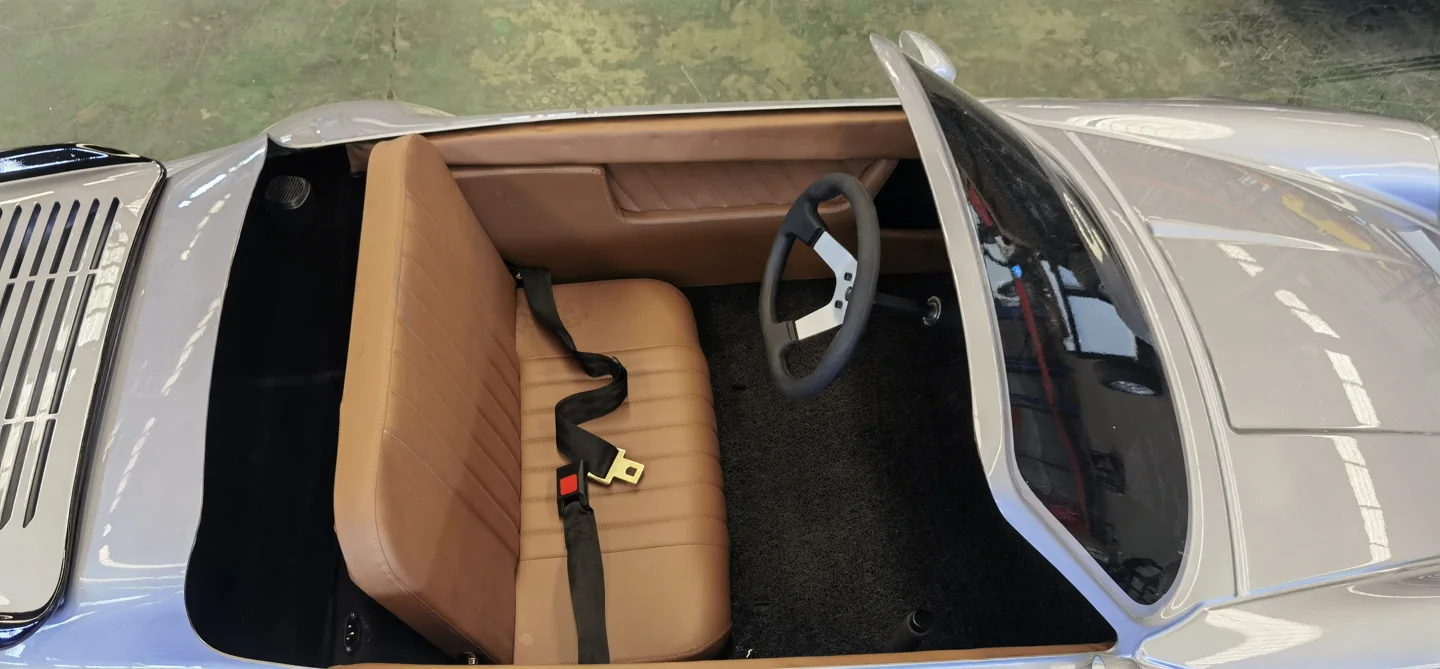
Brand an existing model.
- Start from
- Existing vehicle
- Scope
- Identity, finish, labels and packaging.
- Review
- Approved artwork and a repeatable brand specification.
Commercial development
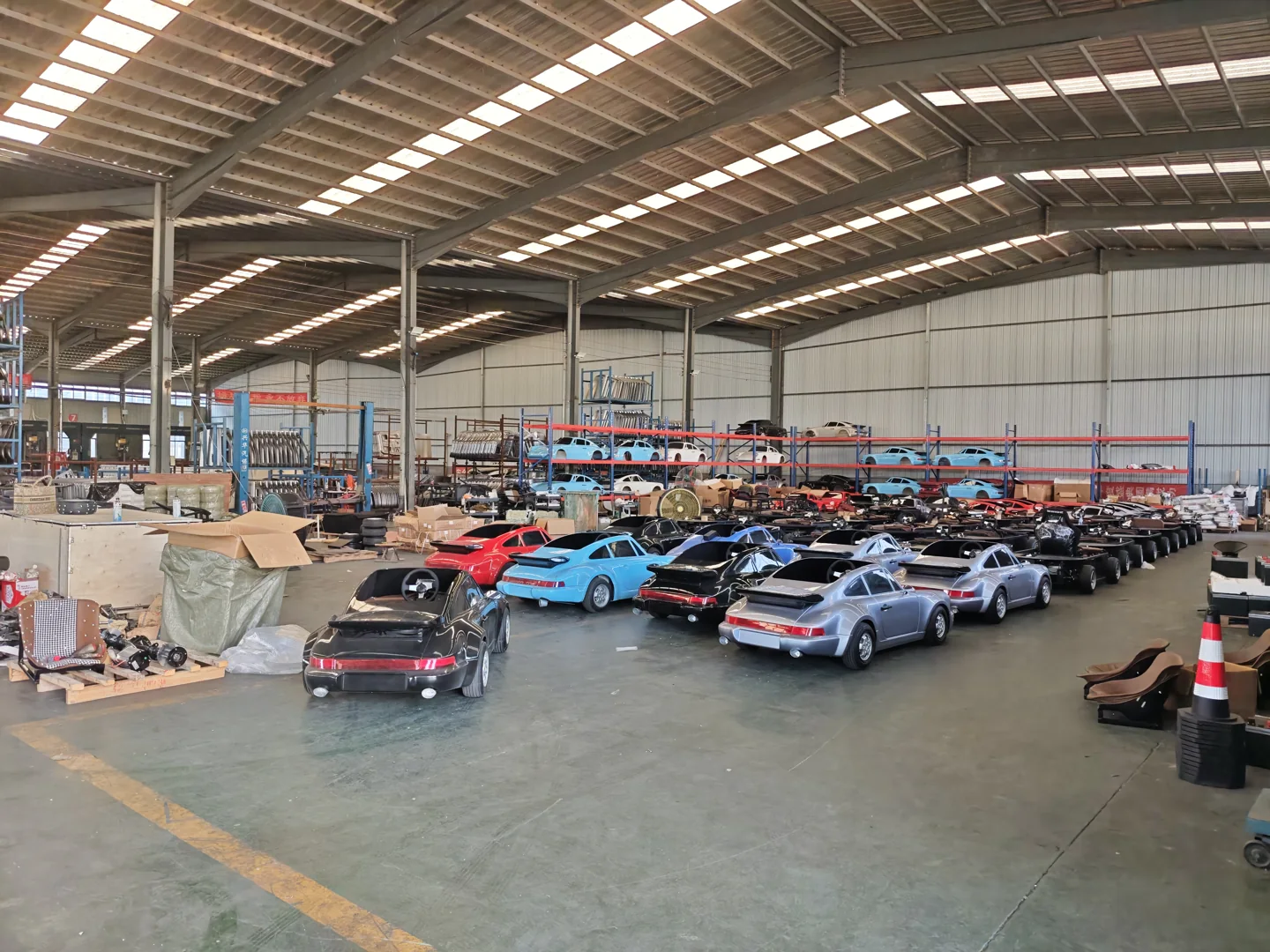
Build a program around an existing vehicle, a defined modification or a new product brief.
Project routes
These are typical project directions. The agreed brief defines the final scope.
Private label
OEM modification
ODM development
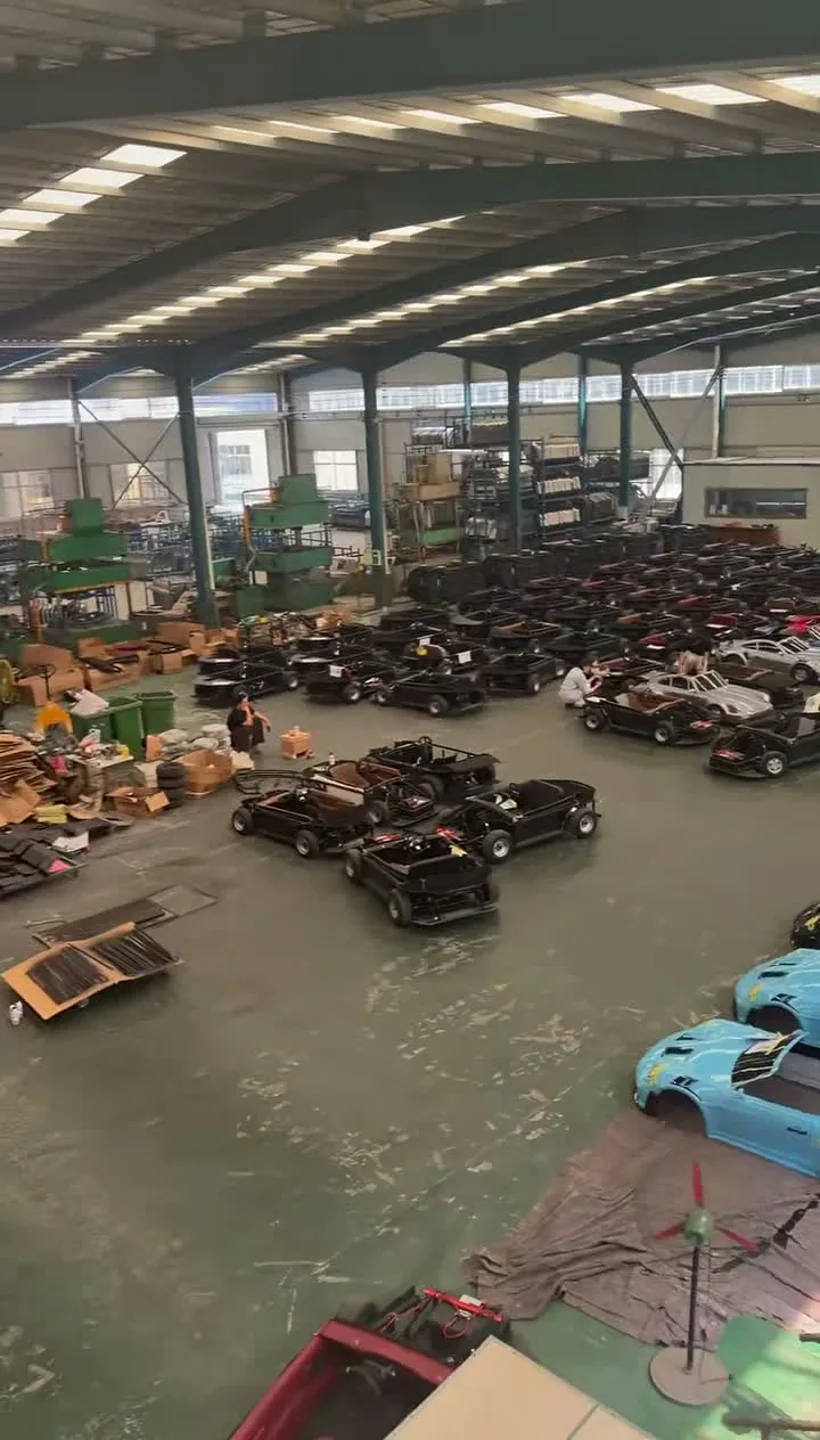
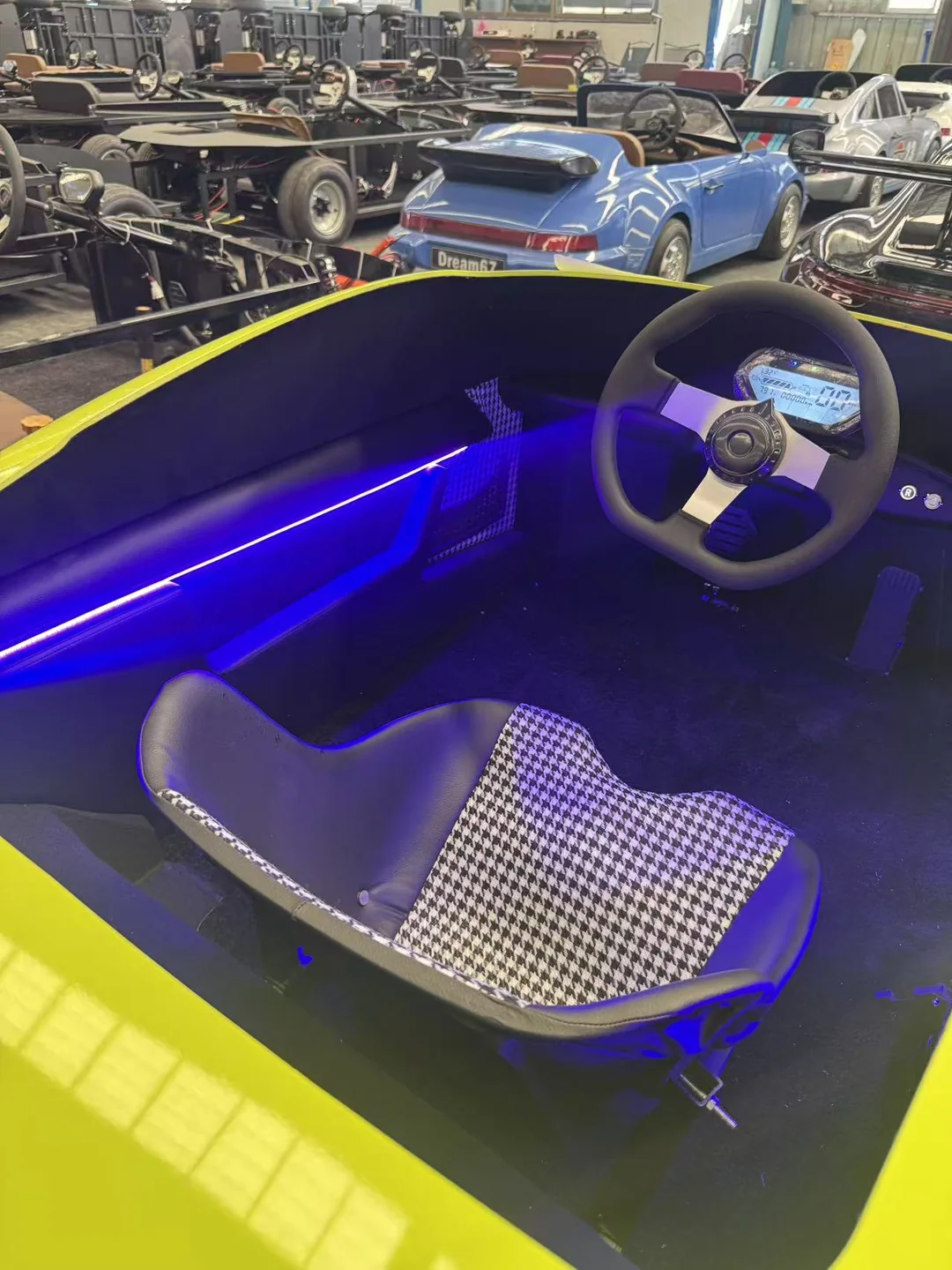
Product photographs · Specifications and project scope require confirmation.
Agree the base vehicle, supported logos and graphics, finishes, packaging, labels and selected documentation. Record approved artwork, placement, color and version information for repeat orders.
Explore Customization ↗Development process
Each stage needs an agreed scope before the next step is planned.
Share the target market, intended use, driver requirements and requested changes.
Review the platform, components, tooling, documentation and open technical questions.
Define prototype depth, acceptance criteria and the version to be reviewed.
Agree the released configuration, production checks and relevant supporting documents.
Commercial planning
MOQ, sample timing and production lead time depend on the platform, change depth, components, setup and tooling.
Confirm development charges, tooling costs, ownership, reuse and rights in the commercial agreement.
Link batch checks, market documents, parts support and delivery planning to the approved version.
Project brief
Company, market and intended buyer.
Preferred platform, drivers and intended use.
Requested changes, references and artwork status.
Quantity, samples, budget, timing and destination.
Common questions
MOQ depends on the platform, customization depth, component purchasing, setup and tooling. Confirm it against the actual project scope.
For projects that need dedicated tooling, cost and ownership should be agreed in the commercial terms before development begins.
Share the target market, proposed platform, intended use and reference direction. Open requirements can be identified during feasibility review; prototype and tooling needs remain project-specific.
References can explain design direction. Supplied logos, artwork and designs must have the appropriate rights, and the project must respect applicable intellectual-property requirements.