Structure & packaging
Review chassis, joints, body supports, mounts, available space and service access.
VEHICLE ENGINEERING
Structure, control, electric power and driver fit have to work together. Define the intended use before changing the platform.
01 / VEHICLE ARCHITECTURE
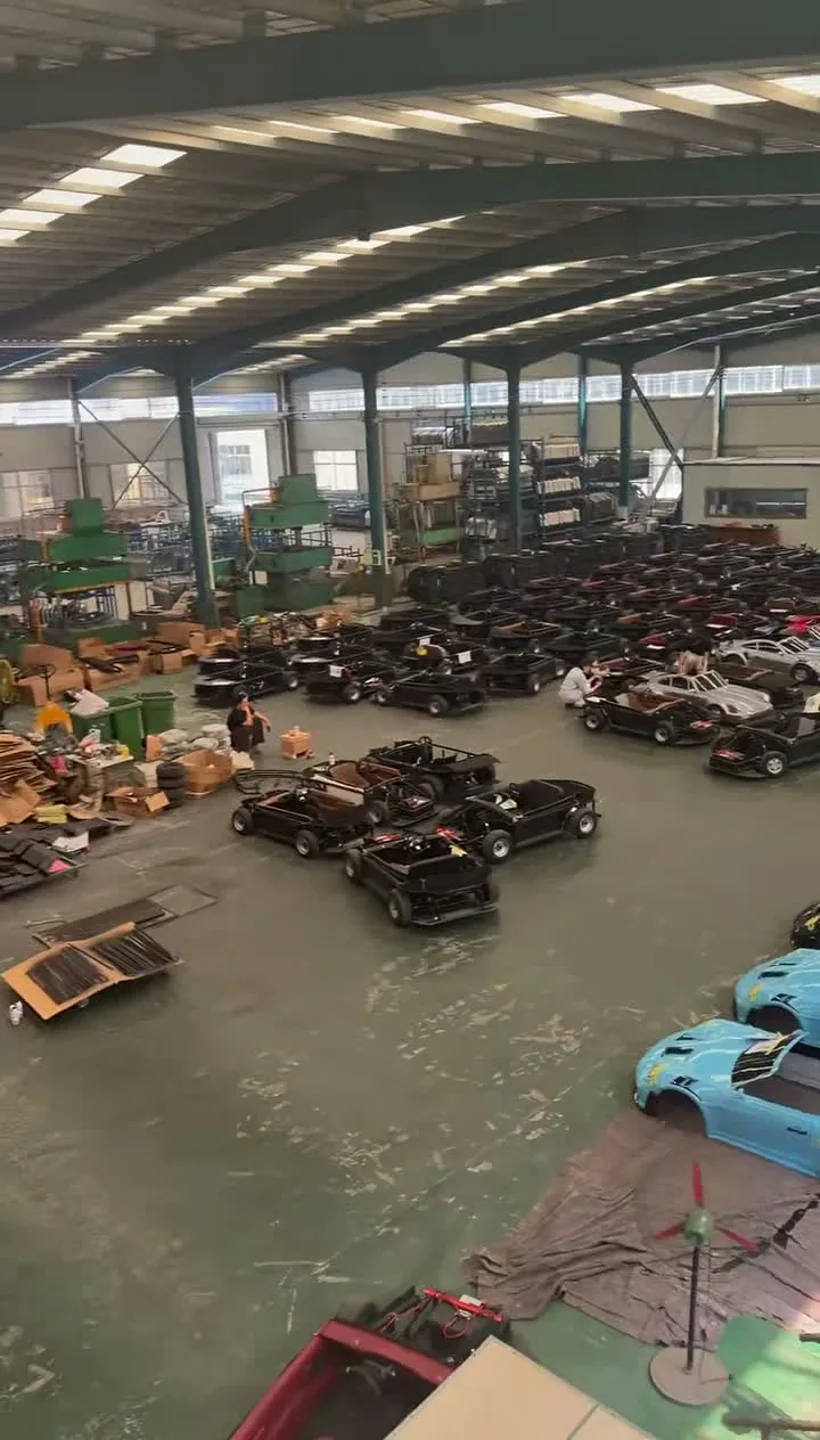
A compact package connects the chassis, body, seat, controls, energy storage and drive system. Component location affects space, clearance, balance and service access.
Confirm actual construction, layout and mounting from the current model specification or approved drawings.
Explore current platforms02 / FOUR SYSTEM GROUPS
Review chassis, joints, body supports, mounts, available space and service access.
Coordinate geometry, clearance, wheel and tire setup, braking and intended surface.
Match motor, controller, battery, charger, cable routing and throttle response for the chosen vehicle.
Check seating, pedal reach, steering position, visibility and entry against the actual driver.
03 / INTENDED USE
Define the driver, driving character, storage and expected environment.
Review driver turnover, charging routines, service access and session structure.
Describe the specific change, required outcome and target market.
Explore the development route04 / DEVELOPMENT
Record use, fit, configuration and technical requirements. Assess compatibility and feasibility.
Agree the sample depth and model-specific checks needed for the changes.
Approve the specification, revision and production requirements before the batch.
05 / EVIDENCE & PRODUCTION
Drawings, measured fit, component records and applicable test evidence must refer to the actual configuration. Illustrations explain relationships; they do not establish specifications or compliance.
06 / COMMON QUESTIONS
More extensive custom projects can be reviewed around technical feasibility, platform changes, packaging, component selection, prototype requirements and production quantities.
Engineering validation asks whether the vehicle design works as intended. Quality control checks whether production vehicles match the approved design and specification.
Technical documentation availability depends on the project, model and commercial agreement. Relevant specifications can be discussed during qualified project review.